Summary Tehran signals no final call on Switzerland diplomatic visit
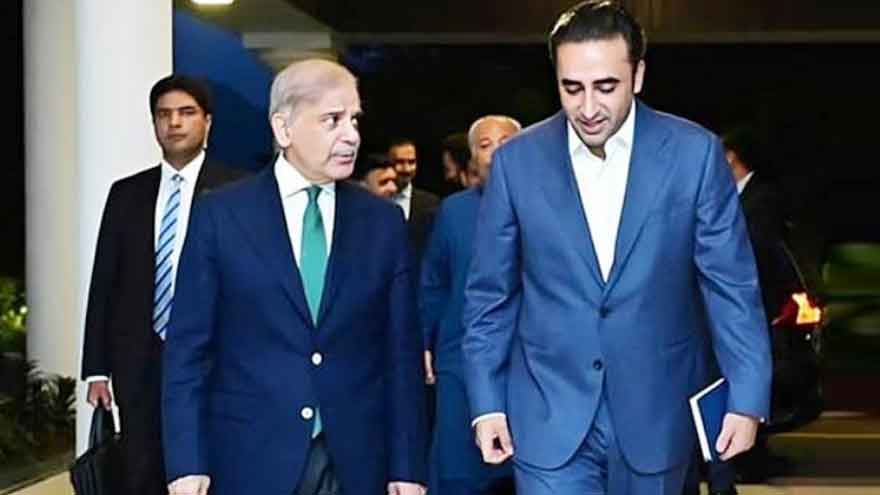
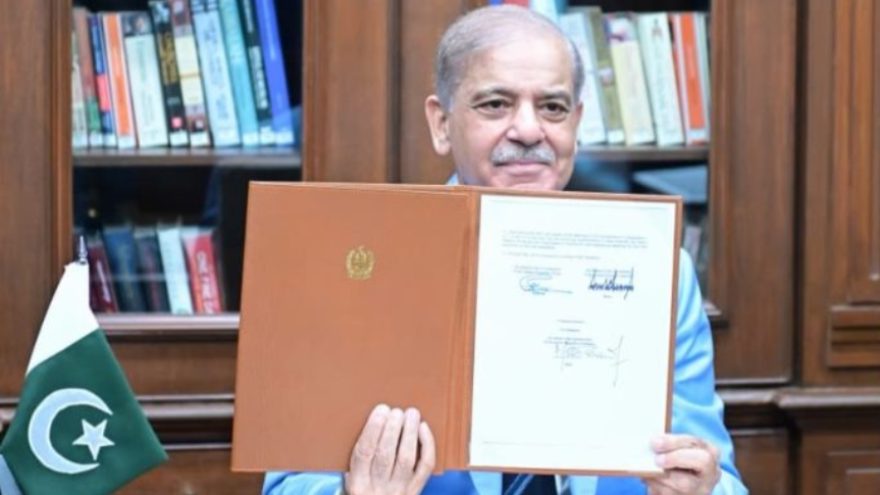
ISLAMABAD (Dunya News) – Prime Minister Shehbaz Sharif’s scheduled visit to Switzerland has been postponed following the electronically signed agreement between Iran and the United States, where Pakistan has played a mediating role in facilitating a historic diplomatic breakthrough.
Officials have not yet provided further details on whether the postponement is temporary or part of a wider recalibration of diplomatic schedules linked to the implementation phase of the agreement.
The prime minister was expected to depart for Switzerland today in his capacity as mediator linked to the broader peace arrangement process, but the travel plan has now been deferred amid evolving diplomatic developments and confirmation of signatures at the highest levels of the involved states.
In Islamabad, official communication surrounding the “Islamabad Memorandum of Understanding” indicated that the agreement between Iran and the United States had been finalised electronically, with signatures reportedly completed by the presidents of both countries alongside endorsement from Prime Minister Shehbaz Sharif as mediator. The document is described as marking a significant step in easing tensions, with claims that it includes immediate measures such as reopening the Strait of Hormuz by Iran and lifting of a naval blockade by the United States. It was also stated that the agreement would take effect immediately, signalling swift implementation of its initial provisions.
The prime minister, in earlier remarks shared on social media platform X, had highlighted that the MoU represented a coordinated diplomatic achievement involving multiple international stakeholders. He expressed appreciation for the role of several regional partners including Qatar, Saudi Arabia, Turkiye and Egypt, noting their contribution to the broader negotiation framework. He also acknowledged the involvement of senior figures within the United States negotiating team and Iranian representatives, describing the engagement as instrumental in achieving the breakthrough.
However, contrasting signals emerged from Tehran regarding the broader diplomatic process and related engagements. Iranian Foreign Ministry spokesperson Esmaeil Baqaei,
speaking to Arab media and quoted by Iranian outlets, stated that no final decision had been made regarding the Switzerland visit linked to the negotiations. His remarks suggested that discussions surrounding the diplomatic itinerary were still under consideration, without formal confirmation of any upcoming international engagement in Switzerland.
Baqaei further emphasised Iran’s position on regional maritime security, stating that keeping the Strait of Hormuz open remains Iran’s responsibility and does not require external involvement. He cautioned that external interference in such matters could complicate the already sensitive regional situation. His comments reflected Tehran’s consistent stance on maintaining sovereignty over strategic waterways and resisting external operational influence.
Separately, the spokesperson also confirmed that Iran had not taken a final decision on sending a delegation for upcoming talks in Brussels, adding another layer of uncertainty to the current diplomatic calendar. He noted that whenever Iran participates in negotiations, the delegation would be led by parliamentary speaker Mohammad Bagher Ghalibaf, indicating a structured leadership approach for any future engagement.
US-Iran MoU
According to details circulated in relation to the agreement, the US-Iran understanding is linked to broader efforts aimed at de-escalating tensions that had escalated following military exchanges earlier in the year. The United States and Israel had launched operations in late February, prompting Iranian countermeasures involving missile and drone activity across the region. The resulting instability had significant implications for regional trade routes, particularly the Strait of Hormuz, a critical passage for global energy supplies.
Under the reported framework of the MoU, the United States is said to have committed to easing oil-related sanctions that have long impacted Iran’s economy. Additionally, further provisions suggest that once a final agreement is reached on Iran’s nuclear programme, Washington would support the establishment of a substantial reconstruction fund, reportedly valued at around 300 billion dollars, backed by regional partners.
The diplomatic process has also been described as involving high-level international engagement beyond the principal parties. US President Donald Trump is reported to have signed the memorandum during an event at the Palace of Versailles following a G7 summit, with the signing witnessed by French President Emmanuel Macron and other officials. Iranian representatives have similarly acknowledged the conclusion of the document at presidential level, while commending the efforts of negotiators on both sides.
On the Iranian side, appreciation was expressed for members of the negotiation team including Abbas Araghchi and Eskandar Momeni, who were credited with sustained engagement throughout the discussions. The process was also described as benefiting from coordinated regional diplomacy, with multiple actors contributing to facilitating dialogue between Washington and Tehran.